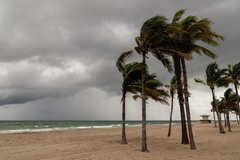
In the world of extreme weather, two forces compete for notoriety and impact-the monsoon and the hurricane. But when it comes to assessing and addressing these natural phenomena, such as through emergency restoration in Pensacola and its nearby areas, understanding their differences becomes crucial. The question of monsoon vs hurricane not only piques scientific curiosity but also holds significant relevance for residents and businesses in regions prone to these climatic conditions. In this blog, we'll unravel the mysteries behind each weather phenomenon, assess their risks, and determine which holds the crown as the more dangerous force of nature.
Understanding these differences is essential, especially when we consider the implications they have on infrastructure, daily life, and indeed, the restoration industry, which is key in responding to aftermaths caused by such weather extremes. Whether it's flash floods from monsoons or the devastating winds of hurricanes, the need for disaster preparedness and restoration is undeniable. Let's dive deeper into the intricacies of each and their potential impacts.
What is a Monsoon?
Monsoons are large-scale wind systems that seasonally reverse their direction, primarily influencing South Asia and other tropical regions. Typically characterized by heavy rainfall, monsoons result from the temperature differences between the land and ocean, causing significant shifts in wind patterns. This atmospheric phenomenon is integral to the agricultural cycles in many countries, providing essential water for crops.
However, monsoon-related challenges are numerous. In the United States, the Southwest experiences what is termed the North American Monsoon, which brings much-needed rain but can also lead to destructive flash floods, landslides, and significant damage due to rapid water accumulation. For areas like Pensacola, FL, any unexpected influx of water can demand urgent services such as water damage restoration to mitigate the impact on homes and businesses.
Characteristics of Hurricanes
Hurricanes, also known as tropical cyclones, are powerful storms that form over warm ocean waters, usually in tropical regions. These storms are characterized by low-pressure centers, intense winds, and heavy rains. Unlike monsoons, hurricanes are discrete events that can cause severe destruction along coastlines, with their impacts felt hundreds of miles inland.
The danger posed by hurricanes includes storm surges, extreme winds, and flooding. For coastal areas, the storm surge can inundate large sections of land, while hurricane-force winds can destroy buildings and uproot trees. With hurricane season impacting areas as far-reaching as Pensacola, FL, being prepared and knowledgeable about hurricane characteristics is crucial for both safety and recovery. In the aftermath of a hurricane, people rely on specialized services like fire damage restoration and water damage restoration in Pensacola and its surrounding regions to recover from fire hazards caused by electrical issues and to restore communities to normalcy.
The Anatomy of a Hurricane
- Eye: The calm center of the hurricane.
- Eyewall: Surrounds the eye, where the most severe weather occurs.
- Rainbands: Spiral bands of rain clouds emanating outward from the eyewall.
Comparing Monsoon vs Hurricane: Risk and Impact
When comparing monsoons vs hurricanes, several factors come into play, including duration, predictability, and the scale of destruction.
Duration and Predictability
Monsoons, as seasonal patterns, extend over several months, and while their onset can often be predicted, the intensity and exact rainfall levels can vary. Conversely, hurricanes are typically short-lived relative to monsoons. They can develop quickly but are usually monitored and predicted with increasing precision thanks to meteorological advancements.
Scale of Destruction
Hurricanes often result in immediate and tangible destruction. The high winds and storm surges can devastate infrastructure in a matter of hours. Monsoons, although potentially leading to widespread flooding and landslides over time, provide a paradoxical lifeline by supplying water resources; their impacts are more varied and context-dependent.
For example, urban planning in monsoon-prone areas often includes extensive water management systems to handle potential floods, whereas hurricane preparedness focuses on fortifying structures against high winds and securing areas susceptible to storm surges.
Regional Differences
Both weather patterns require tailored responses based on geographical and cultural contexts. In Pensacola, FL, restoration services often prepare and adapt to both potential water-related damage from unexpected rains and fierce storm impacts during hurricane season.
Real-World Implications and Preparedness
Understanding the implications of monsoon vs hurricane is pivotal for preparedness and effective responses. Businesses, communities, and restoration professionals alike must tailor their strategies according to the specific threats that each weather pattern poses.
Key Preparedness Strategies
For Monsoons:
- Implement comprehensive drainage systems to prevent urban flooding.
- Develop early warning systems for flash floods and landslides.
- Ensure crop insurance and rural infrastructure resilience for agricultural areas heavily reliant on monsoon rains.
For Hurricanes:
- Fortify buildings against wind damage using reinforced materials.
- Establish reliable evacuation routes and shelters.
- Stockpile emergency supplies for prolonged outages and disruptions.
The implementation of these strategies not only mitigates immediate risks but also enhances long-term resilience against climatic adversities.
Restoration Efforts Post-Impact
When natural disasters strike, the need for prompt restoration services cannot be overstated. For instance, storm damage in Santa Rosa Beach can be alleviated with professional mitigation and repair services. The focus often shifts to water extraction, drying flooded areas, and odor removal in homes and businesses to restore them to pre-disaster conditions effectively.
More Than Just a Season: Preparation and Recovery
While the immediate threats posed by monsoons and hurricanes are often framed by their potential for destruction, their true impact resides in the stories of recovery and resilience that follow. Organizations like Dri Pro Restoration play a key role in this narrative, offering expert solutions tailored to both urban and rural settings in the face of such formidable natural forces.
With hurricanes potentially causing rapid devastation, the expertise provided in storm recovery extends to services like fire damage restoration-a reminder of the intricate challenges that can arise post-disaster when electrical fires emerge from damaged infrastructure.
As communities gear up for these inevitable encounters, understanding the distinctions in monsoon vs hurricane dynamics becomes not just an exercise in geographical literacy but a vital component of a resilient life strategy.
Building a Resilient Community with Dri Pro Restoration
As you've learned about the significant differences and potential dangers associated with monsoons and hurricanes, it's clear that preparation, restoration, and resilience are essential for any community facing such weather challenges.
Dri Pro Restoration stands ready to assist with storm recovery services across various locations. We are committed to restoring safety and normalcy to your home or business swiftly and effectively. Contact us today to learn more about how we can assist you in preparing for and recovering from severe weather conditions. Let Dri Pro Restoration be your go-to partner in ensuring peace of mind amidst nature's most unpredictable elements.